Monument Valley is dry. Not just because the area only receives an average seven inches of rain a year, but being part of the Navajo Tribal Nation, the consumption of alcohol is prohibited, along with weapons and drones. In fact, if one wants a tipple in this dry region one needs to drive 70 miles to obtain it, rather a stretch too far, even in the heat of the evening.
We had made a detour off Route 66 from Albuquerque to take the opportunity to see this sacred site 335 miles away. Monument Valley comprises towering rock formations up to 1,000 feet scattered amongst a sandstone floor. The area was once part of the sea floor where sediment and sandstone formed together in layers over millions of years. Tectonic forces then raised the area above the waterline, creating a plateau of flat land and peaks.

The peaks we see today are referred to as mesas (rock formations that look like table tops), buttes (smaller rock formations) and spires (narrow and free standing rock formations in their final stage of erosion from wind and water, having once been buttes).


Many of these have been given names, largely based on their shape, such as Totem Pole, Three Sisters, and John Ford’s Point named after the Hollywood director who instigated many of the movies filmed in the area, including those starring John Wayne such as Stage Coach. The 92,000 acre park stretches across northern Arizona and Southern Utah and lies within the Navajo Nation Reserve.

To view the park visitors have to either take a guided tour by vehicle; engage in a self-guided tour if driving a 4×4; trek (consider the heat and the highly-poisonous snakes); or take a horse ride. We opted for the guided vehicle tour. Over three hours we travelled the 17 mile trip around the park, visiting the major peaks.
At one site we viewed rock carvings (or petroglyphs) depicting animals. These were made by chipping the rock surface with stone to reveal a lighter shade than the rock surface. We saw just a few petroglyphs, but archaeologists believe there may be up to 25,000 in the area. It is considered most were created by Pueblo people who lived in the Rio Grande Valley, likely between 1300 and 1680 AD.

We stumbled across some interesting footprints and a closer look gave the impression that this may have been a lizard, a delicacy of the local rattlesnake.
We also viewed some traditional houses of the Navajo people called hogan homes. These are constructed of logs, covered in sand and straw which is then wetted. Once dried in the sun this becomes a hard outer structure. There are two styles: the larger ‘female hogan’ which is used as family homes, and the smaller ‘male hogan’ which is a more temporary structure which can be dismantled and moved to another area. Inside the hogan is a metal fire with chimney. Today, those who still live in a hogan home tend to be the older generations who have chosen not to move to more contemporary housing.


In one of the hogans we met a lady who demonstrated spinning sheep wool which is dyed using various local plants and woven into many textiles as a means of income. Children start to learn the crafts from a young age. It was emphasised that each stage of the process is developed extremely slowly to encourage a patient approach to life starting with the younger generations.


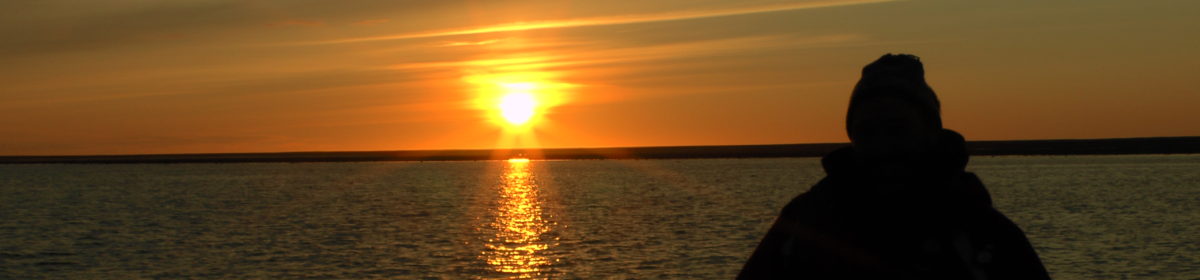
If in the location, Monument Valley is worth a trip as the landscape is unique. However, we found there is very little else to do at the site once a tour has taken place. A small visitors’ centre at the (only) hotel could provide much more information on the history and the lives of the Navajo people. There were lots of photo opportunities, however, and we just couldn’t miss the opportunity of an early start to capture some sunrise shots.

Copyright: Words and photos Sue Barnard 2022
Sounds, and looks, a very interesting place.